
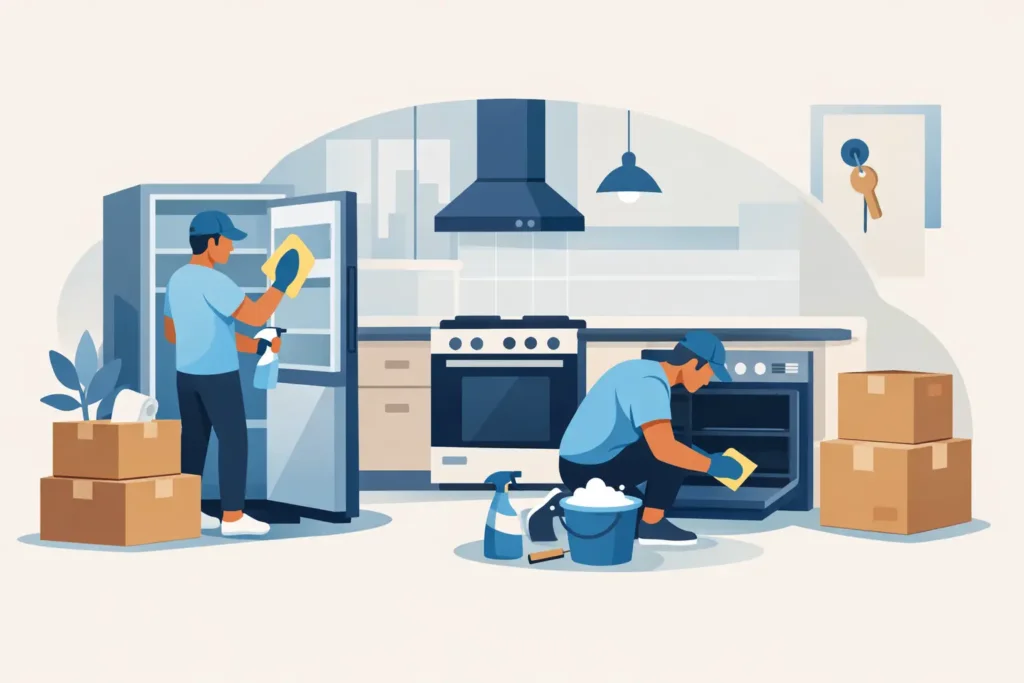
A refrigerator shelf with dried spills, a greasy oven door, and a microwave with last year’s splatters can make an otherwise tidy rental look unfinished. So, should tenants clean appliances before moving out? In most cases, yes. Leaving appliances reasonably clean is one of the clearest ways to meet move-out expectations, avoid a cleaning deduction, and hand over the home in good condition.
That does not mean tenants are responsible for making an old appliance look brand-new or repairing equipment that has simply worn out over time. The goal is a clean, usable appliance that is free of food, grease, trash, odors, and avoidable buildup.
Should Tenants Clean Appliances Under the Lease?
Start with your lease. Many rental agreements specifically require tenants to return the property in “broom-clean” condition, while others name appliances such as the oven, refrigerator, dishwasher, washer, and dryer. If your lease has a move-out checklist, treat it as your working standard rather than guessing what the property manager expects.
Even when the lease does not spell out every appliance, tenants are usually expected to remove the messes created during their tenancy. That includes food residue in the refrigerator, grease in the oven, crumbs in drawers, and lint around the dryer. A landlord may charge for cleaning that goes beyond normal turnover work, especially if an appliance needs extra labor because it was left unusually dirty.
The key distinction is between cleaning and replacement. You should clean an appliance you used. You generally should not be charged to replace an appliance because of ordinary age, a factory defect, or a failure you reported appropriately during your lease. If the refrigerator seal is cracked or the dishwasher no longer drains, document the issue and notify the landlord or property manager. Do not assume you can fix it yourself with a harsh cleaner or a repair that could make the damage worse.
What Counts as Normal Wear and What Does Not?
Normal wear is the gradual decline that happens through ordinary use. Faded appliance lettering, light scratches on a refrigerator shelf, or an aging oven burner may fall into that category. These issues are not the same as neglect.
Grease baked onto oven walls, spoiled food left in the refrigerator, a dishwasher filter clogged with old debris, and excessive lint around a dryer are different. They are usually preventable conditions tied to cleaning and upkeep. They can also create odors, attract pests, reduce appliance performance, or require a deeper turnover clean before the next resident moves in.
Photographs can help if there is any question later. Take clear, dated photos of each appliance after cleaning, including inside the refrigerator and oven. If an appliance was damaged or not working when you moved in, keep copies of your move-in inspection and any maintenance requests. Good documentation protects everyone by keeping the discussion focused on the actual condition of the home.
A Practical Move-Out Appliance Cleaning Plan
Appliance cleaning is easier when it is not the final task before you hand over the keys. Plan to do it after most packing is finished but before your final walkthrough. That gives you access to supplies without risking new spills from last-minute meals or moving boxes.
Refrigerator and Freezer
Empty the refrigerator completely, including drawers, door bins, and the freezer. Throw away food, remove ice trays, and wipe shelves with a mild cleaner suitable for food-contact surfaces. Pay attention to sticky shelf edges, drawer tracks, and the rubber door gasket, where crumbs and spills tend to collect.
If the property manager asks you to unplug the refrigerator, follow their directions. Leave the doors slightly open only if instructed, since a closed, unplugged refrigerator can develop mildew and strong odors quickly. Do not chip ice with sharp tools. A punctured freezer wall creates a much bigger problem than a little frost.
Oven, Stove, and Microwave
The oven is often the appliance that receives the closest look at move-out. Remove loose crumbs, clean racks, wipe the door glass, and address grease on the interior walls and stovetop. A commercial oven cleaner can work well, but read the appliance instructions first. Some self-cleaning ovens, coated racks, and specialty surfaces can be damaged by the wrong product.
Clean beneath burner grates and around control knobs. For electric cooktops, avoid abrasive scrubbing tools that can scratch the surface. The microwave should be emptied, wiped inside and out, and checked for splatters on the ceiling and turntable. A bowl of water heated briefly can loosen dried-on food and reduce the need for heavy scrubbing.
Dishwasher, Washer, and Dryer
Run an empty dishwasher cycle only if the appliance is functioning normally and your lease does not say otherwise. Wipe the door seal, utensil basket, racks, and exterior. Remove visible food debris from the filter if it is accessible and you know how to replace it correctly.
For a washer, make sure no laundry or detergent containers are left behind. Wipe the drum, detergent tray, door gasket, and top surface. With a dryer, remove lint from the lint trap and wipe the exterior. Do not take apart vents or internal panels unless you are qualified to do so. Deep vent cleaning is a maintenance and safety task that may be handled by the owner or a professional service.
Avoid Cleaning Shortcuts That Create Damage
Move-out day can make shortcuts tempting, but aggressive products and tools can turn a cleaning task into a damage claim. Avoid steel wool on stainless steel, harsh chemicals on aluminum or natural stone nearby, and excessive water around electrical controls. Never mix cleaning chemicals, especially bleach and ammonia-based products.
Be realistic about the condition of each appliance. An oven with years of carbon buildup may need more than a quick wipe, while a newer appliance may clean up easily with mild products and patience. If you are unsure whether a stain is removable or a surface is damaged, take a photo before trying a stronger product. It is better to ask than to accidentally strip a finish.
When Professional Move-Out Cleaning Is Worth It
Professional help can make sense when your move is packed with work, family responsibilities, or a tight deadline. It is also helpful when appliance cleaning has been put off for a long time, the home has multiple kitchens, or you want a more confident final presentation before the inspection.
A move-out cleaning service can handle the detailed work that is easy to miss, such as oven racks, refrigerator drawers, cabinet interiors, baseboards, and built-up grime around appliances. Before booking, confirm exactly what is included. If you need the refrigerator interior, oven interior, or other specific appliance areas addressed, say so upfront. You are in charge of the scope of work, and clear expectations help you get the result you need.
For renters in Lawrenceville and nearby communities, UpStraight Cleaning can tailor a move-out service around the rooms and appliance details that need attention. That support can free up time for packing, utility transfers, and your next set of keys.
Do Not Forget the Final Walkthrough
After cleaning, do one slow walkthrough with your lease checklist in hand. Open every appliance door and drawer. Check for food, lint, packaging, magnets, and cleaning cloths. Wipe fingerprints from the outside of stainless steel or glossy surfaces, then take your condition photos before returning the keys.
Cleaning appliances before moving out is less about chasing perfection and more about leaving a home with care. A few focused hours, or the right help when your schedule is full, can make the handoff feel cleaner, calmer, and easier to stand behind.

