
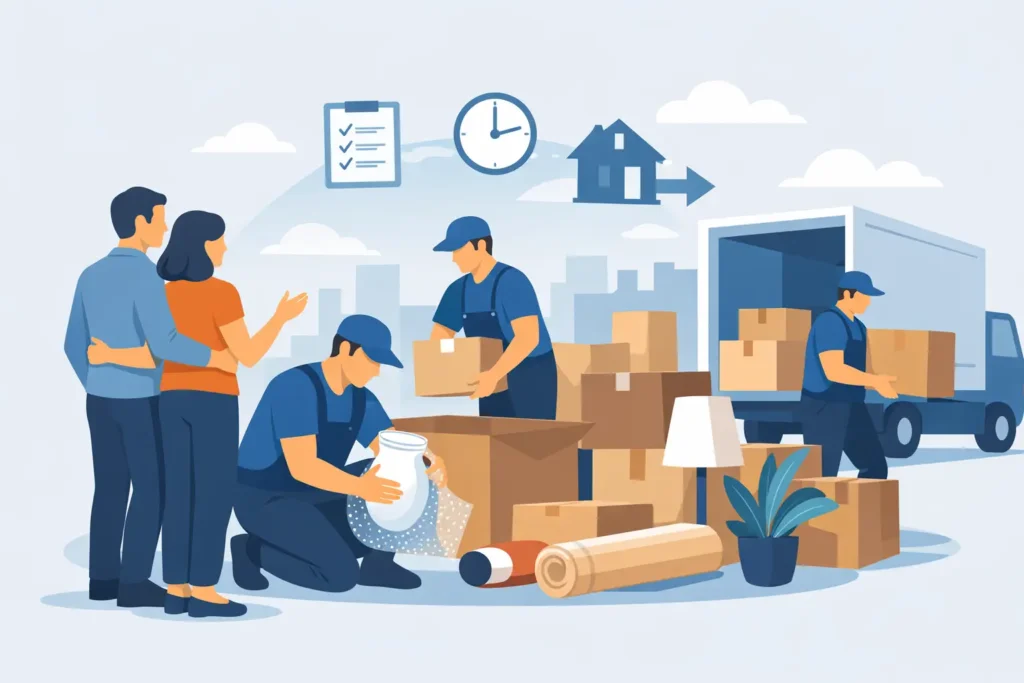
The boxes usually start with good intentions. A few from the garage, a marker, some tape, and a plan to get ahead before moving day. Then real life steps in. Work runs late, closets are fuller than expected, the kitchen takes twice as long, and suddenly packing services for moving start sounding less like a luxury and more like a practical way to stay on schedule.
That shift is common, especially for busy families, working professionals, renters on a deadline, and anyone juggling a move with normal daily responsibilities. Packing is not just putting things into boxes. It is sorting, protecting, labeling, organizing, and making sure what arrives at the next place is still usable. Done well, it saves time on both ends of the move. Done poorly, it creates stress you feel for weeks.
What packing services for moving actually include
Professional packing can be as broad or as limited as you need. Some people want full-home packing from the linen closet to the garage. Others only need help with the hardest areas, like kitchens, home offices, storage rooms, or fragile decor.
In most cases, packing services include organizing items by room or category, choosing the right materials, wrapping fragile belongings, boxing items securely, and labeling everything clearly. Some providers also offer unpacking, light organizing, and cleanup of leftover packing materials. That matters more than people expect. A move does not really feel finished when every room is covered in boxes and paper.
The best service plans are flexible. You should be able to decide what gets packed, what stays with you, and what should be left out for first-night essentials. That level of control makes the process easier, especially if you are moving with children, pets, or a work-from-home setup that cannot be fully shut down until the last minute.
When hiring packing help is worth it
There are moves where packing yourself makes perfect sense. If you are moving from a small apartment, have several weeks to prepare, and do not mind the work, a DIY approach can save money. But there are also plenty of situations where professional help pays for itself in time, stress reduction, and fewer damaged items.
A tight timeline is one of the biggest reasons people book help. If your lease is ending, your closing date moved up, or you need to be out faster than expected, packing can turn into a late-night scramble. Professional support brings structure to a process that can quickly get messy.
It also makes sense when your home is already full and busy. Families with young kids usually do not have hours to devote to wrapping dishes after bedtime. Professionals balancing work, school schedules, and errands often need a faster solution. Older adults downsizing may want an extra set of careful hands, especially when sentimental items need more attention.
Then there is the emotional side. Moves are not always exciting. Sometimes they happen because of divorce, a death in the family, a job change, or an unexpected housing issue. In those moments, having dependable help can bring real relief. A good team does not add pressure. It removes it.
The real benefits of packing services for moving
The biggest benefit is time, but it is not the only one. Packing takes longer than most people estimate because every room contains decisions. Keep it, donate it, trash it, pack it, protect it, label it, set it aside. A professional team shortens that process because they already know how to work efficiently without losing order.
Protection matters too. Fragile items, electronics, dishes, framed art, seasonal decor, and oddly shaped household goods all need different handling. Using the wrong box or not enough padding can lead to cracked glass, chipped plates, or damaged valuables. Good packing is less about stuffing and more about preparing each item for transport.
There is also the benefit of organization. Clearly labeled boxes and grouped items make unpacking more manageable. Instead of opening five boxes to find coffee mugs or charging cables, you know where things are. That matters on the first night in a new place, when you are tired and just need the basics to be easy.
For many people, peace of mind is the deciding factor. Knowing the packing is handled lets you focus on the other parts of moving that only you can manage, like address changes, school paperwork, utility transfers, or getting settled at work.
What to look for in a packing service
Not all packing help is the same, and this is where details matter. A reliable provider should be clear about what is included, how the service is scheduled, whether materials are provided, and how customized the work can be.
Look for a company that listens before quoting. Some homes need full packing. Others need help with only a few rooms. A one-size-fits-all approach usually means you are paying for service you do not want or missing support where you need it most.
Communication is another big factor. You want a team that asks how you want items grouped, what should stay accessible, and whether there are fragile or high-priority belongings that need special handling. That kind of attention makes the service feel personal, not rushed.
It also helps to work with a provider that understands transition services as a whole. Packing is often tied to cleaning, unpacking, and organizing. If you are leaving one property and preparing another, coordinating those services with one dependable local team can make the move feel much more manageable. That practical, all-in-one support is one reason some homeowners and renters in the Lawrenceville area choose providers like UpStraight Cleaning.
Full packing vs. partial packing
Full packing is usually best for larger homes, short-notice moves, households with demanding schedules, or anyone who wants the least amount of disruption. The team handles nearly everything, while you direct priorities and set aside personal essentials.
Partial packing works well when you are comfortable boxing basic items but want help with the rooms that slow you down. Kitchens are the most common example because they combine fragile items, drawers full of small pieces, pantry goods, and appliances that need careful prep. Garages, closets, and home offices are also popular areas for partial service because they tend to collect more than expected.
There is no single right answer. It depends on your time, budget, energy, and how complex the move is. The right choice is the one that reduces pressure without creating unnecessary cost.
How to get the best results from packing help
Even with professional support, a little preparation goes a long way. Before your appointment, it helps to separate anything you do not want packed, such as medications, important documents, jewelry, chargers, daily toiletries, and a few days of clothing. Think of it as your personal essentials zone.
It is also smart to do a quick edit of what you own. You do not need a full home purge the week before a move, but setting aside obvious trash, donations, and expired pantry items makes the service more efficient. Packing and paying to move things you already know you do not want adds time and cost.
Be clear about your priorities. If certain boxes need to be unloaded first, say so. If one bedroom must stay functional until the last day, point that out. The more direction you give, the more tailored the service becomes.
The cost question people always ask
Packing help is an added moving expense, so it is fair to ask whether it is worth the money. The answer depends on what you are comparing it to. If the alternative is taking unpaid time off, replacing damaged items, rushing through late nights, or showing up exhausted on moving day, professional packing often looks much more reasonable.
There are also ways to control cost. Partial packing, room-by-room service, or combining packing with organizing can make the investment more targeted. A good provider should help you build around your actual needs instead of pushing the biggest package.
For many households, the smartest approach is not all or nothing. It is using help where it saves the most time and frustration.
Moving has enough pressure built into it already. If packing is becoming the part that keeps the whole process stuck, getting help is not overdoing it. It is making a practical decision that protects your time, your belongings, and your peace of mind.

