
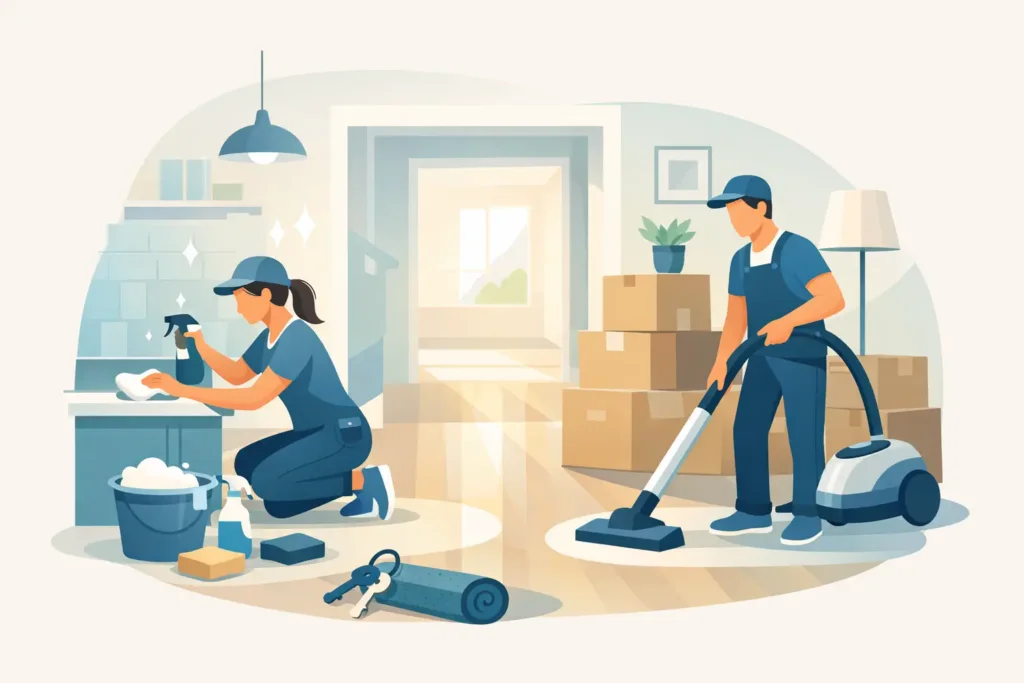
The boxes can wait a little longer. Before the couch gets wedged into the wrong corner and the pantry starts filling up, a smart move in cleaning guide helps you start with a home that actually feels like yours – clean, comfortable, and ready to live in.
Moving into a new place is exciting, but it also exposes every detail the last occupant left behind. Dust on ceiling fans, sticky cabinet shelves, grime around faucets, and mystery marks inside drawers all stand out once the rooms are empty. Cleaning before you unpack is easier, faster, and far less frustrating than trying to work around furniture and piles of belongings later.
Why a move in cleaning guide matters
A move-in clean is not just about appearance. It is about resetting the space. When you clean before settling in, you remove dust, allergens, residue, and bacteria from the surfaces you are about to touch every day.
It also gives you a chance to inspect the home more closely. While wiping down baseboards or scrubbing a tub, you may notice a loose vent cover, water stains under a sink, or a damaged shelf that should be addressed before your move is fully complete. That early awareness can save time, money, and stress.
There is also a practical side. Empty rooms are the easiest rooms to clean. You can reach corners, clean inside closets, and sanitize cabinets without moving around boxes or stopping to reorganize what you just unpacked.
What to clean before anything gets unpacked
If time is tight, focus on the areas that affect daily comfort first. Kitchens, bathrooms, floors, and touchpoints should be handled before décor, storage systems, or finishing details. That said, the right level of cleaning depends on the condition of the property.
A newer apartment that already looks well maintained may only need a detailed wipe-down and sanitation pass. An older home, a rental with visible buildup, or a property that has sat empty for a while often needs a deeper clean. This is where expectations matter. A place can look decent at first glance and still need serious attention in the spots people tend to miss.
Start high and work your way down
Begin with the highest surfaces in each room. Ceiling fans, vents, light fixtures, upper shelves, and the tops of cabinets collect dust that will fall as you clean. If you mop first and dust later, you will end up doing the same work twice.
After high dusting, move to windowsills, blinds, trim, doors, and baseboards. Finish with floors last. That top-to-bottom approach keeps the job efficient and helps you see progress room by room.
Prioritize surfaces you touch every day
Door handles, light switches, cabinet pulls, faucet handles, appliance handles, and thermostat controls deserve more than a quick wipe. These are some of the most handled surfaces in any home, and they are easy to overlook during a move.
A disinfecting step here makes a noticeable difference, especially for families with children, pet owners, or anyone moving during cold and flu season.
Kitchen cleaning in a move in cleaning guide
The kitchen is usually the most time-sensitive room because it affects your first meals, grocery storage, and daily routine. Clean it before you load the refrigerator or line up small appliances on the counters.
Start with the inside of cabinets and drawers. Even when they look clean, they often hold crumbs, dust, grease, or old liner residue. Wipe them thoroughly and let them dry before placing dishes, food, or cookware inside.
Next, focus on appliances. The refrigerator should be cleaned inside and out, including shelves, bins, handles, and door seals. The oven and stovetop may need degreasing, and the microwave should be wiped inside where food splatter tends to hide. If there is a dishwasher, check the filter area and run a cleaning cycle if needed.
Countertops and backsplashes should be cleaned with the right product for the surface. Natural stone, laminate, butcher block, and solid surface counters do not all respond well to the same cleaner. If you are unsure, it is better to use a mild option than risk dulling or damaging the finish.
Do not forget the sink area. Scrub the basin, disinfect the faucet and handles, and check for buildup around the drain and sprayer. A kitchen can look almost move-in ready until the sink tells the real story.
Bathrooms need more than a quick wipe-down
Bathrooms are one of the first places people want to feel completely clean, and for good reason. A rushed pass with a paper towel is not enough here.
Tackle the toilet, shower, tub, sink, mirror, and vanity in full. Pay attention to grout lines, faucet bases, caulking edges, and the area behind the toilet where dust and hair gather quickly. If there are glass shower doors, soap scum may need a dedicated cleaner and a little patience.
Storage matters too. Medicine cabinets, vanity drawers, and under-sink spaces should be wiped out before you load them with everyday items. That extra ten minutes keeps clean products from going into a dirty space.
If mildew, hard water stains, or strong odors are present, standard maintenance cleaning may not be enough. That is usually the point where a deeper service is worth considering.
Floors, closets, and overlooked details
Floors change how clean a space feels almost instantly. Vacuum carpet thoroughly, including edges and corners. Hard floors should be swept first and then cleaned with a product appropriate for tile, vinyl, laminate, or wood.
Be careful not to over-wet wood or laminate floors. More moisture is not always better. The goal is to lift dirt without causing swelling, streaking, or damage.
Closets should also be cleaned before use. Dust shelf corners, wipe rods, and vacuum or mop the floor area. If you plan to organize as you unpack, starting with a clean closet makes the process far easier.
Then come the details many people skip when they are tired and ready to be done. Check window tracks, inside drawers, behind doors, air return vents, and laundry areas. These are not glamorous tasks, but they are often the difference between a place that looks okay and one that feels truly fresh.
Should you clean it yourself or hire help?
It depends on your timeline, energy, and the condition of the property. If the home is already in good shape and you have a day set aside before the moving truck arrives, a do-it-yourself clean may be enough.
But if you are balancing work, family, packing, utility setup, and a moving schedule that keeps shifting, cleaning can become the task that gets rushed. That usually leads to missed areas, frustration, and the feeling that you moved into a space that was never fully reset.
Professional move-in cleaning is especially helpful when the property needs more than surface attention, when the home is larger, or when you simply want one part of the move handled well from the start. For many households, that convenience is not a luxury. It is what makes the transition manageable.
A good service should be clear about scope, flexible about your priorities, and focused on visible results. If you care most about kitchens and bathrooms first, or want help pairing cleaning with organizing as you settle in, that should be part of the conversation. UpStraight Cleaning serves many local families and professionals who want that kind of practical support during a move.
A simple room-by-room plan that keeps you on track
If you are cleaning on your own, keep the process structured. Start with one empty room at a time and finish it fully before moving on. Bring all-purpose cleaner, glass cleaner, disinfectant, microfiber cloths, a vacuum, mop, trash bags, and any surface-specific products you need.
Work in this order: dust high surfaces, wipe mid-level surfaces, sanitize touchpoints, clean inside storage areas, and finish the floors. In kitchens and bathrooms, leave enough time for products to sit where needed so you are not scrubbing harder than necessary.
Try not to unpack as you clean. Mixing the two slows everything down and makes it harder to tell what is actually finished. A short, focused cleaning window before move-in often saves hours of backtracking later.
Don’t wait until the house is full
The best move in cleaning guide is the one you actually use before life gets busy again. Once furniture is in place and routines start, cleaning behind appliances, inside empty cabinets, or along bare baseboards becomes much less convenient.
A clean start does more than improve appearances. It gives you a little control during a hectic transition and makes the first night in your new place feel lighter, calmer, and more settled. That is time well spent before the first box is opened.

