
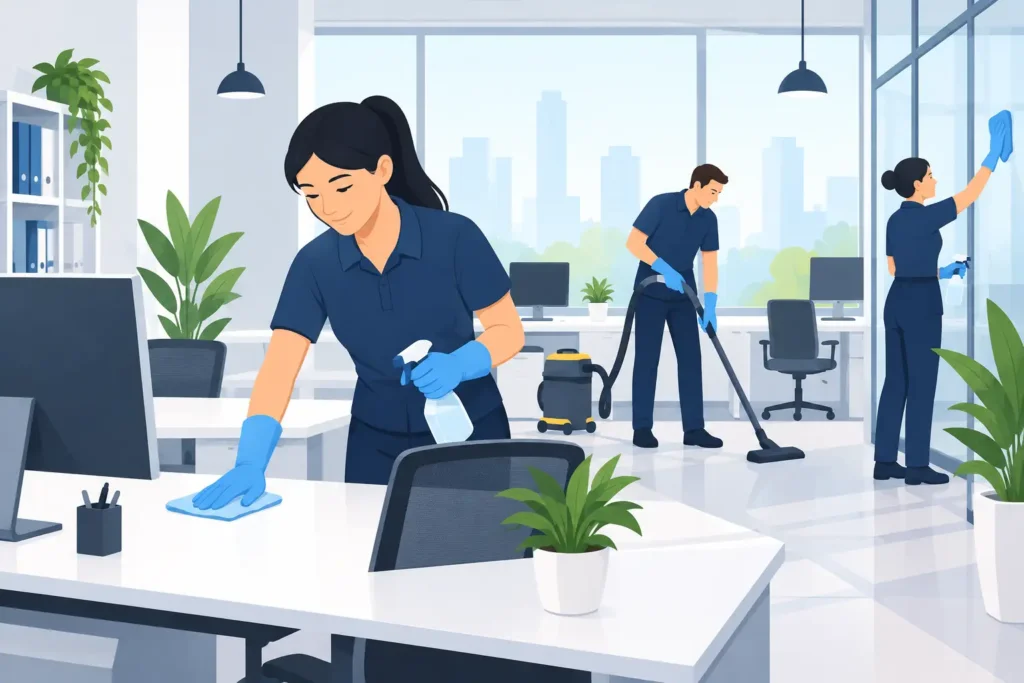
A cluttered break room at 3 p.m., fingerprints on the front door, and overflowing trash cans send a message long before a client speaks with your team. The best office cleaning routines prevent those small issues from becoming a constant source of distraction, complaints, and last-minute scrambling. They give employees a space that feels cared for and give business owners one less operational detail to chase down.
A successful routine is not simply a longer checklist. It is a realistic system built around how your office is used, who is responsible for what, and when professional support makes the most sense. A quiet accounting office, a busy medical-adjacent reception area, and a shared coworking suite will not need the same level of service. The goal is consistent cleanliness without making employees feel like cleaning is their second job.
Start With the Areas People Notice First
The most visible spaces should set the rhythm for your office cleaning plan. Entrances, reception areas, conference rooms, restrooms, and break rooms affect both employee comfort and visitor impressions. These are also the areas that collect the most fingerprints, spills, food debris, and everyday clutter.
Walk through the office at different times of day. Notice where trash builds up, where supplies are left behind, and which surfaces people touch repeatedly. This simple review helps you prioritize the tasks that matter instead of treating every square foot exactly the same.
For example, a small office with clients arriving throughout the day may need its lobby and restroom checked twice daily, while a back storage area may only need regular weekly attention. Cleaning frequency should reflect traffic, not guesswork.
Build the Best Office Cleaning Routines by Frequency
Dividing tasks into daily, weekly, and monthly work keeps routine cleaning manageable. It also makes it easier to see when a task has been missed before it turns into a bigger issue.
Daily routines keep the workplace presentable
Daily attention should focus on sanitation, appearance, and basic organization. Empty trash before it overflows, replace liners as needed, and clear food and drink waste from desks, break rooms, and common areas. Wipe down shared surfaces such as reception counters, conference tables, door handles, light switches, copier controls, and refrigerator handles.
Restrooms deserve a daily check even in low-traffic offices. Toilets, sinks, faucets, mirrors, dispensers, and floors should be cleaned, while soap, paper towels, toilet paper, and hand sanitizer should be restocked. A restroom that runs out of supplies creates an avoidable frustration for staff and guests.
At the end of each workday, encourage employees to reset their individual workspaces. That does not mean asking them to deep clean their desks. A quick habit of putting away papers, dishes, and personal items makes scheduled cleaning more effective and keeps shared areas from becoming cluttered.
Weekly routines handle buildup
Weekly cleaning is where the office gets the fuller refresh that daily wipe-downs cannot provide. Vacuum carpets and rugs, mop hard floors, dust accessible furniture, and clean glass doors and interior windows. Wipe chair arms, cabinet handles, baseboards in high-traffic areas, and ledges that gather dust.
Break rooms need extra care each week. Clean the microwave inside and out, wipe down small appliances, sanitize counters, and check the refrigerator for expired food. If your team shares dishes or utensils, make sure there is a clear expectation for washing and putting them away. A clean break room is easier to maintain when employees know exactly where items belong.
Conference rooms should also be checked for neglected supplies. Collect dry markers, replace dead batteries in presentation remotes, remove abandoned water bottles, and organize cords. These details help meetings begin on time and make the space feel ready for clients.
Monthly routines protect the condition of the office
Monthly tasks address the places that are easy to overlook because they are not dirty at first glance. Dust vents, clean behind and beneath movable furniture, wipe walls where scuffs appear, and remove cobwebs from corners. Spot-clean upholstery and inspect carpets for stains that may need professional treatment.
This is also a good time to organize supply closets, clear out old promotional materials, and review whether your cleaning products and paper goods are stocked appropriately. An overfilled closet creates waste and confusion. An empty one creates emergency runs to the store. A simple inventory check can prevent both.
Some offices benefit from quarterly deep cleaning as well, especially after busy seasons, events, renovations, or periods of heavy visitor traffic. Deep cleaning can include detailed floor care, interior glass cleaning, high dusting, and focused attention to areas that routine service does not always reach.
Make Responsibility Clear Without Overloading Your Team
An office cleaning routine works best when employees understand what they are expected to handle and what is covered by a cleaning service. Asking a team to wash their own dishes, throw away personal trash, and keep desk surfaces reasonably clear is fair. Asking them to scrub restrooms, mop floors, or clean spills in the lobby is usually not the best use of their workday.
Create simple standards for shared spaces. Food should be labeled in the refrigerator. Meeting rooms should be reset after use. Personal belongings should not be stored on counters or in walkways. Keep these expectations visible, practical, and consistent rather than turning them into a long set of rules no one reads.
For larger offices, assign a point person to report supply shortages or maintenance concerns. This person does not need to do the cleaning. Their role is simply to make sure problems are communicated before they affect the workplace.
Choose Products That Match Your Space
Using one all-purpose product for every task may seem convenient, but it can leave surfaces streaky or damaged. Glass, stainless steel, wood, stone, and electronics all need appropriate care. Always follow manufacturer instructions for office equipment and avoid spraying liquid directly onto keyboards, monitors, or power strips.
Fragrance is another consideration. Strong scents can bother employees and visitors, particularly in enclosed workspaces. Low-odor products often make more sense for offices, provided they still meet your sanitation needs. If your business has industry-specific requirements, such as food service, fitness, or hospitality, your cleaning plan may require additional steps and products.
Keep cleaning supplies organized in a secure location. Clearly labeled products, stocked paper goods, gloves, and spill-response materials help employees handle small messes safely while keeping the main routine on track.
Know When Professional Cleaning Is the Better Fit
There is a real trade-off between handling cleaning in-house and bringing in a commercial cleaning team. A very small office may be able to manage basic upkeep with a clear schedule. But as traffic increases, the time required to maintain restrooms, floors, common areas, and touchpoints can quickly become too much for staff.
Professional service is especially helpful when you want consistent results before clients arrive, need cleaning outside business hours, or have a space with higher sanitation demands. It also helps after office moves, construction work, seasonal events, or a period when routine cleaning has fallen behind.
A customized service plan is usually more useful than a one-size-fits-all package. Some offices need daily restroom and break room service but only weekly floor care. Others need recurring whole-office cleaning after hours. UpStraight Cleaning works with local businesses to build flexible commercial cleaning plans around the areas, schedule, and level of detail that make sense for their operations.
Keep the Routine Working Over Time
Even a well-designed cleaning schedule needs occasional adjustment. Review it after a new hire, an office move, a change in business hours, or a noticeable increase in client traffic. Ask employees where they see recurring issues. If the same trash can fills every day or the break room counter is constantly crowded, the problem may be the setup, not the people.
Small changes can make a major difference. Add a recycling bin where paper piles up. Move cleaning wipes near a frequently used conference room. Provide labeled storage for shared supplies. When the clean choice is also the easy choice, people are far more likely to follow through.
A clean office should feel dependable, not fragile. Put a routine in place that fits your team, give shared spaces the attention they deserve, and leave the heavier work to professionals when it saves your business time and stress. That is how a workplace stays ready for the next employee, meeting, or opportunity that walks through the door.

