
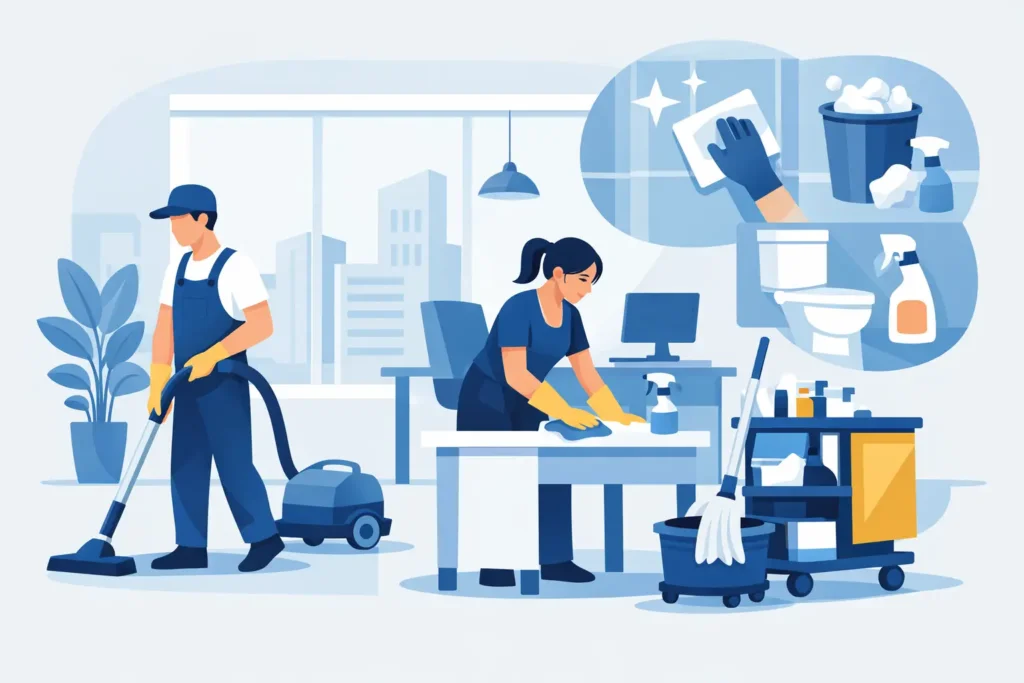
A clean office is more than a good first impression. It affects how employees feel at their desks, how confidently clients enter the building, and how easily a team can focus on the work in front of them. If you are asking what should office cleaners do, the answer starts with creating a healthier, more orderly workplace without interrupting your operations.
The right office cleaning plan is not a one-size-fits-all checklist. A small professional office, busy medical-adjacent practice, retail back office, and multi-tenant commercial building all have different traffic patterns and priorities. Still, dependable service should cover the essential daily details while allowing you to choose the level of care your space needs.
What Should Office Cleaners Do During Routine Service?
Routine office cleaning should make the space look cared for, smell fresh, and feel ready for the next workday. The goal is consistent upkeep, not simply an occasional surface wipe-down.
Cleaners should begin with the areas people see and touch most often. Entryways, reception desks, waiting areas, conference rooms, hallways, break rooms, and restrooms all shape the experience of employees and visitors. Floors should be vacuumed or mopped as appropriate, visible dust should be removed, and waste should be collected before bins become an eyesore or odor concern.
Desks require a thoughtful approach. In most offices, cleaners should dust exposed surfaces and clean around work materials without moving private documents, personal items, or sensitive equipment. Employees work better when they know their belongings will be respected. A clear agreement about which desk areas can be cleaned helps prevent confusion.
Restrooms need focused attention at every service. Toilets, urinals, sinks, faucets, mirrors, dispensers, door handles, and floors should be cleaned and disinfected. Paper goods, soap, and other supplies should also be checked and replenished based on the service agreement. A spotless restroom signals that the entire facility is being maintained with care.
Keep High-Touch Surfaces Cleaner and Safer
Some areas collect more germs and fingerprints than others, especially in shared workplaces. Regularly disinfecting high-touch points supports a more sanitary environment and helps keep the office looking polished throughout the week.
This usually includes door handles, light switches, elevator buttons, shared printers, copier controls, refrigerator handles, microwave buttons, conference table surfaces, and break room fixtures. Reception counters and visitor seating deserve attention as well, particularly in offices with steady client traffic.
Disinfecting is most effective when the right product is used correctly. The cleaner needs enough contact time on the surface to work, and electronics require products and methods that will not cause damage. This is one reason professional service matters: speed is useful, but cutting corners on process can leave surfaces looking clean without being properly sanitized.
The ideal frequency depends on your office. A small team with limited outside visitors may need high-touch disinfection during regular weekly service. A busy office with shared workstations, customers, or frequent meetings may benefit from more frequent cleaning. Your service plan should reflect how people actually use the building.
Care for Break Rooms and Shared Kitchens
The break room can become messy faster than almost any other office area. Coffee spills, lunch crumbs, overflowing trash, and a refrigerator full of forgotten containers can quickly affect the whole workplace.
Office cleaners should clean and disinfect counters, tables, sinks, appliance exteriors, and cabinet handles. They should empty trash and replace liners, wipe down chairs, clean the microwave interior when included in the plan, and address visible spots on floors. Floors near coffee stations, vending areas, and sinks often need extra care because spills can become sticky or slippery.
Refrigerator interiors and cabinet organization may be handled as periodic add-on tasks rather than part of every visit. That approach is often practical because employees need advance notice before food or personal items are removed. The same goes for deep-cleaning a coffee maker or clearing expired pantry items. Clear expectations protect both your team and the cleaning crew.
Maintain Floors, Glass, and the Details Clients Notice
Floors do a lot of work in an office. They capture dirt from parking lots, collect dust under furniture, and show every spill near entryways and break rooms. Office cleaners should vacuum carpeted areas thoroughly, mop hard floors with suitable products, and spot-clean stains when possible.
High-traffic entrances may need service more often than private offices. Georgia weather can bring rain, pollen, and outdoor debris inside, which means entry mats, glass doors, and lobby floors may require extra attention during certain seasons. A flexible plan lets you increase care where it is most visible rather than paying for unnecessary work elsewhere.
Clean interior glass, mirrors, and reception-area surfaces can make a major difference in how professional a workspace feels. Fingerprints on glass doors, dusty window ledges, and smudged lobby tables are small details, but clients often notice them immediately. A dependable cleaner looks beyond the obvious trash and vacuuming to handle these finishing touches.
Handle Trash and Odors Before They Become Problems
Emptying trash is basic, but doing it well requires consistency. Office cleaners should remove trash from work areas, restrooms, break rooms, and common spaces according to the agreed schedule. Liners should be replaced as needed, and waste should be taken to the designated collection area without leaving bags in hallways or near exits.
Odor concerns should be addressed at the source whenever possible. Cleaning around trash cans, disinfecting restroom fixtures, removing food waste, and attending to spills are more effective than relying heavily on fragrance. A lightly fresh, clean office is welcoming. An overpowering scent can be distracting, especially for employees and visitors with sensitivities.
Report Issues That Need Attention
A professional cleaner is often among the first people to notice a small facility issue. A leaking faucet, empty soap dispenser, damaged tile, burned-out light, pest concern, or recurring odor may not be a cleaning task, but it is useful information for the office manager or property manager.
The best cleaning service communicates these observations promptly and clearly. That gives you time to solve problems before they affect employees, visitors, or the condition of the building. It also builds trust because your cleaning team is paying attention to the space, not simply completing a routine and leaving.
Use a Customized Schedule Instead of Guessing
The right cleaning frequency depends on office size, number of employees, visitor volume, business hours, and the type of work performed. A quiet office with ten employees may stay in great shape with weekly service. A larger workplace with shared restrooms, daily guests, and multiple break areas may need cleaning several times a week or every day.
Deep cleaning should also be part of the conversation. Routine visits maintain the office, while periodic deep cleaning tackles buildup in baseboards, corners, vents, upholstery, interior glass, carpet, and areas behind furniture. Neither replaces the other. Routine cleaning keeps things presentable; deep cleaning protects the longer-term condition of the space.
For Lawrenceville-area businesses, UpStraight Cleaning can build commercial cleaning plans around your priorities, whether you need recurring office upkeep, a one-time refresh, or extra attention before an important client visit. You are in charge of the scope, schedule, and areas that matter most.
A Clean Office Should Feel Effortless
Good office cleaning is noticeable in the right ways: clear floors, fresh restrooms, tidy common areas, and fewer distractions for your team. It should also be easy to manage. You should not have to repeatedly point out missed bins, wonder whether supplies were checked, or arrive to a workspace that still feels neglected.
Start with the spaces that create the most stress or receive the most traffic, then build a service plan that supports your daily operation. When your office stays consistently clean, employees can settle in, clients can feel welcome, and your business can put its best foot forward every day.

